Fusheng reminds you of precautions for using compressors in the summer!
With the arrival of summer and hot weather, compressors are more prone to malfunctions. To ensure your compressor operates safely, efficiently, and stably, pay attention to the following points:
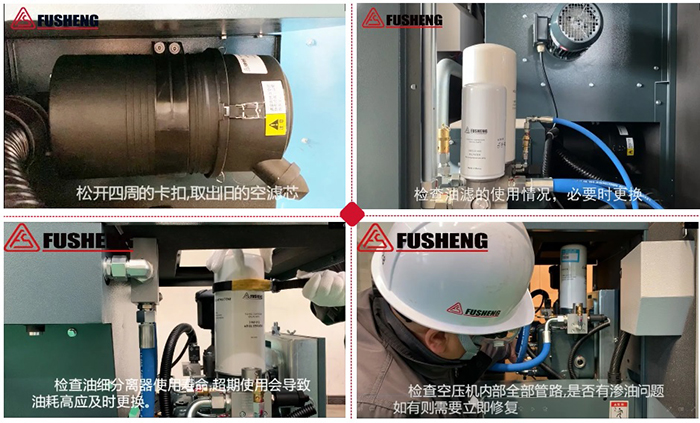
1. Based on operating time and condition, timely replace and maintain air filters, oil filters, oil separators, and coolant to reduce internal system resistance. Simultaneously conduct a comprehensive inspection, cleaning, and preventive maintenance of the equipment. *Refer to the compressor maintenance operation specifications for specific maintenance tasks.
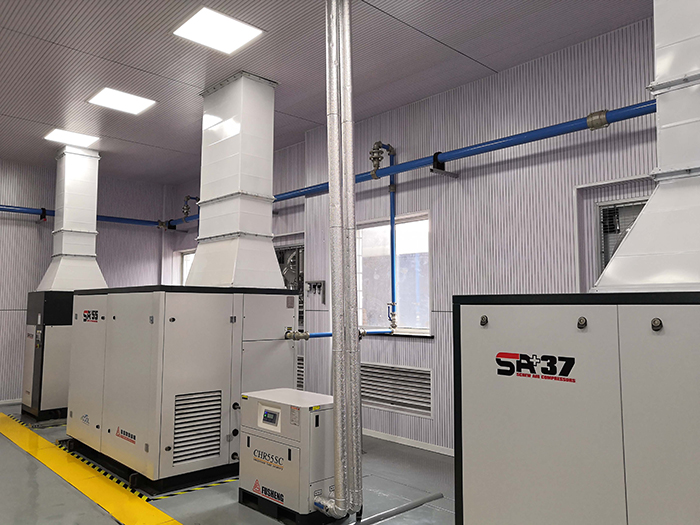
2. Ensure good ventilation in the compressor room; the air intake and exhaust systems should be unobstructed. Clean all filters on the compressor to ensure smooth airflow in and out of the machine.
3. For air-cooled models: check the installation of the compressor's air ducts or exhaust fans in the compressor room to ensure the ambient temperature does not exceed 45°C. Focus on cleaning the heat exchanger; if it has been used for a long time or shows signs of fouling or carbon deposits, use a circulating pump with a cleaning agent to clean the cooler's interior to ensure good heat exchange.
4. For water-cooled models: the inlet water temperature should be ≤35°C, outlet water temperature should not exceed 40°C, and the normal temperature difference between inlet and outlet water should be within 8°C. The pressure difference between inlet and outlet water should be at least 0.15 MPa. Cooling water quality should meet general industrial water standards. Check the cooler's core tubes for scale or blockages and clean them promptly to ensure good heat exchange.
5. If the cooler's heat exchange is good and the oil filter is normal but exhaust temperature remains high, consider checking the thermal control valve. Standard valves typically begin opening at 67°C and fully open at 72°C. Checking is simple: remove the valve core and place it in hot water to observe its opening and detect any sticking issues.
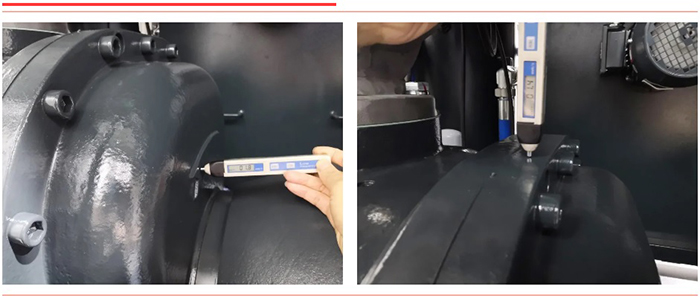
6. In summer, motor winding or bearing overheating may also occur. Check whether motor bearings are lubricated on time if bearings overheat, and ensure motor vibration levels are normal during operation. For winding overheating, check if the motor's surrounding environment temperature is within normal range; focus on cleaning the compressor's air intake filter and motor fan shroud filter to ensure sufficient cooling airflow.
7. Clean dust from the starter panel, especially fibrous materials, to prevent electrical arc-induced fires during electrical operations. Inspect connections of all power components; poor contact can cause discoloration of conductive parts—if observed, disconnect power and clean with sandpaper or a file before re-tightening connections.
8. For belt-driven machines, check belt tension and inspect for wear on belts and pulleys; replace if necessary.
9. For inverter models, especially check if the inverter cooling fan operates normally and if cooling ducts are blocked. Inverters generate significant heat that must be expelled quickly to avoid overheating faults and reduced lifespan of internal capacitors and other electrical components.
10. High humidity in summer can produce more condensate; check if drain valves and drainage systems work properly.
11. Follow the user manual for daily startup operations and record compressor operating parameters daily to predict any abnormal conditions promptly. If in doubt, contact your dealer or service provider immediately to address concerns and ensure normal compressor operation.